

Swim with Giants: A Guide to the Best Whale-Shark Trips from Europe
9/18/20254 min lesen
Swim with Giants: A Guide to the Best Whale-Shark Trips from Europe
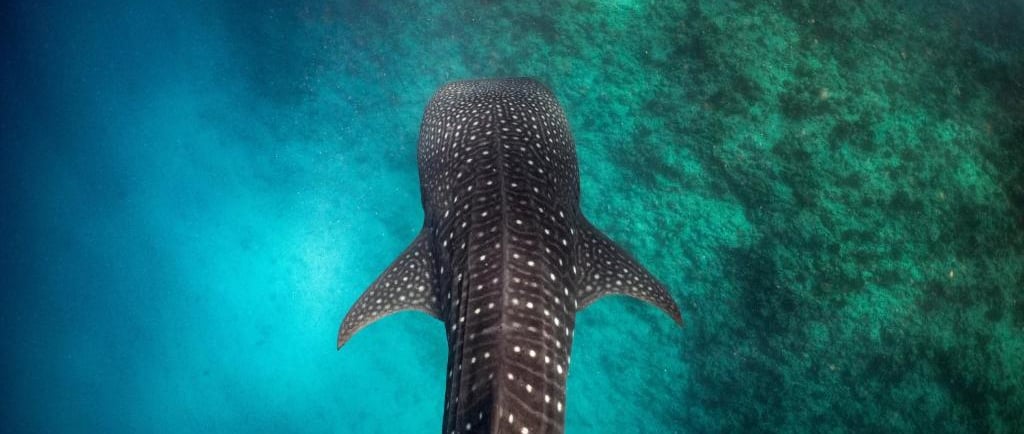
Seeing a whale shark glide beneath you is one of those life moments you’ll never forget. For travellers flying from Europe, some destinations are long-haul but straightforward; others combine shorter long-haul flights plus easy regional transfers. Below I highlight the best spots, when to go, how to get there from London, ethical notes, and recommended hotels/resorts to suit different travel styles.
1) Ningaloo Reef — Exmouth, Western Australia
Why go: One of the world’s most consistent and eco-regulated whale-shark areas. The reef sits very close to shore, so you often don’t need long open-ocean trips to find sharks. Best for: travellers who want wild, less crowded encounters and spectacular reef snorkeling.
When: March → July is the core Ningaloo whale-shark season.
Getting there
London → Perth: direct flights typically take about ~17 hours (some routes include one stop depending on airline/season). From Perth you take a short domestic flight to Learmonth/Exmouth (~1 h 55 min). Plan at least 1–2 nights in Perth if you need a buffer.
Where to stay
Sal Salis — remote beachfront eco-tented luxury; great for nature lovers who want direct reef access.
Mantarays Ningaloo Beach Resort — more resort comforts and easy tour access.
Travel tip: Book whale-shark tours well in advance in peak season and expect early-morning departures.
2) Isla Mujeres / Holbox / Yucatán, Mexico
Why go: Large seasonal aggregations, warm Caribbean water, easy resort options, and quick transfers from Cancun. Best for: Europeans wanting a Caribbean + wildlife combo with fairly easy logistics.
When: May → September (summer months are peak for many Yucatán whale-shark aggregations).
Getting there
London → Cancun: roughly 8½–12 hours depending on routing and carrier (direct services exist seasonally). From Cancun airport you can transfer to Puerto Juárez and take a ~30-minute ferry to Isla Mujeres; total airport → Isla transfer ~1 hour door-to-door in light traffic.
Where to stay:
MÍA Reef Isla Mujeres — beachfront, all-inclusive option right on Isla Mujeres.
Impression Isla Mujeres by Secrets — upscale, adults-only option if you want all-inclusive luxury.
Travel tip: Early morning departures for whale-shark tours are standard; pair the trip with a few days in Cancún/Playa del Carmen if you want shorter international flights or easier flight options from European hubs.
3) Donsol / Sorsogon (Philippines)
Why go: Donsol is known for more regulated, community-based whale-shark tourism (less feeding than Oslob), making it a better choice for travelers who prioritize ethical encounters. Best for: adventurers who don’t mind regional transfers and want community-led ecotourism.
When: Peak months vary by region but generally November → May is a common window for many Philippine whale-shark sites; check local schedules. (Timing differs widely across the Philippines.)
*Oslob (Philippines) is famous for consistently close encounters because sharks are fed there — that raises ethical concerns and is frequently discussed in scientific and media coverage. If you care about purely natural encounters, choose sites and operators that emphasize non-provisioned interactions.
Getting there
London → Manila: around ~13 hours flight time (may vary by routing). From Manila you can take a domestic flight to nearby Bicol (Legazpi/Donsol area) or a bus—regional flights to Bicol International are common, plus bus or short drive to Donsol (total region transfer often several hours). Example routing: LON → MNL (~13 h) then MNL → DRP (Bicol) or land travel into Donsol; rome2rio indicates bus or short flights plus road transfers. Plan for a full travel day after Europe.
Where to stay:
Donsol has several beachfront resorts and small eco-lodges (e.g., Vitton Beach Resort, AGM Beachfront, Elysia Beach Resort among commonly mentioned local options). Book locally run lodges for community benefit.
Ethics note: Oslob is very reliable for sightings because shark feeding occurs there, but feeding is controversial and has documented ecological concerns — Donsol or dive-based encounters elsewhere are preferable for more natural interactions.
4) Galápagos Islands (Ecuador) — for divers & adventurous travellers
Why go: Remote, biodiverse, and spectacular for serious divers. Whale-shark sightings (particularly around Darwin and Wolf Islands) are often part of liveaboard dive itineraries. Best for: experienced divers and travellers seeking a rugged, wildlife-rich trip.
When: June → November (cooler, nutrient-rich upwelling season attracts more pelagics).
Getting there
London → Quito/Guayaquil: ~13 hours+ depending on stopovers; then domestic flight to the Galápagos (Baltra or San Cristóbal) — expect a full travel day or more. Flights London → Quito vary around ~12.5–15+ hours depending on routing.
Where to stay:
Most whale-shark experiences in the Galápagos are done via liveaboard dive boats (multiple operators); if you prefer a land base pick a guided dive operator out of Santa Cruz, San Cristóbal, or Baltra and plan day trips or short cruises. (Because the Galápagos are a protected, permit-driven area, book reputable operators.)
Travel tip: Galápagos trips are logistically more complex and best arranged through specialist operators — consider a Galápagos cruise if you want the highest chance of seeing pelagics.
5) Other options (shorter- or longer-haul from Europe)
Maldives — sometimes hosts whale-shark sightings around certain atolls and is a popular luxury-resort destination with good flight connections from Europe (~10–11 hours from London to Malé on direct services).
Mozambique / Mafia Island (Tanzania) — excellent seasonal whale-shark snorkeling in parts of East Africa; good for combining safari + beach.
Indonesia (Cenderawasih Bay, Triton Bay) — remote, spectacular encounters; these require more complex domestic flights and boats (great for adventurous travellers).
Things to Consider / Ethical Tips
Check if the location allows feeding or not; feeding may increase encounter rates but can have negative ecological or behavioral effects.
Look for operators who limit group size, limit number of boats, enforce distance rules, avoid touching, avoid flash photography, etc.
Choose travel times that avoid overcrowding (if possible).
Be mindful of environmental impacts: reef health, boat anchoring, sunscreen (use reef-safe), waste etc.